
What a Certificate of Analysis Tells You About a Research Peptide
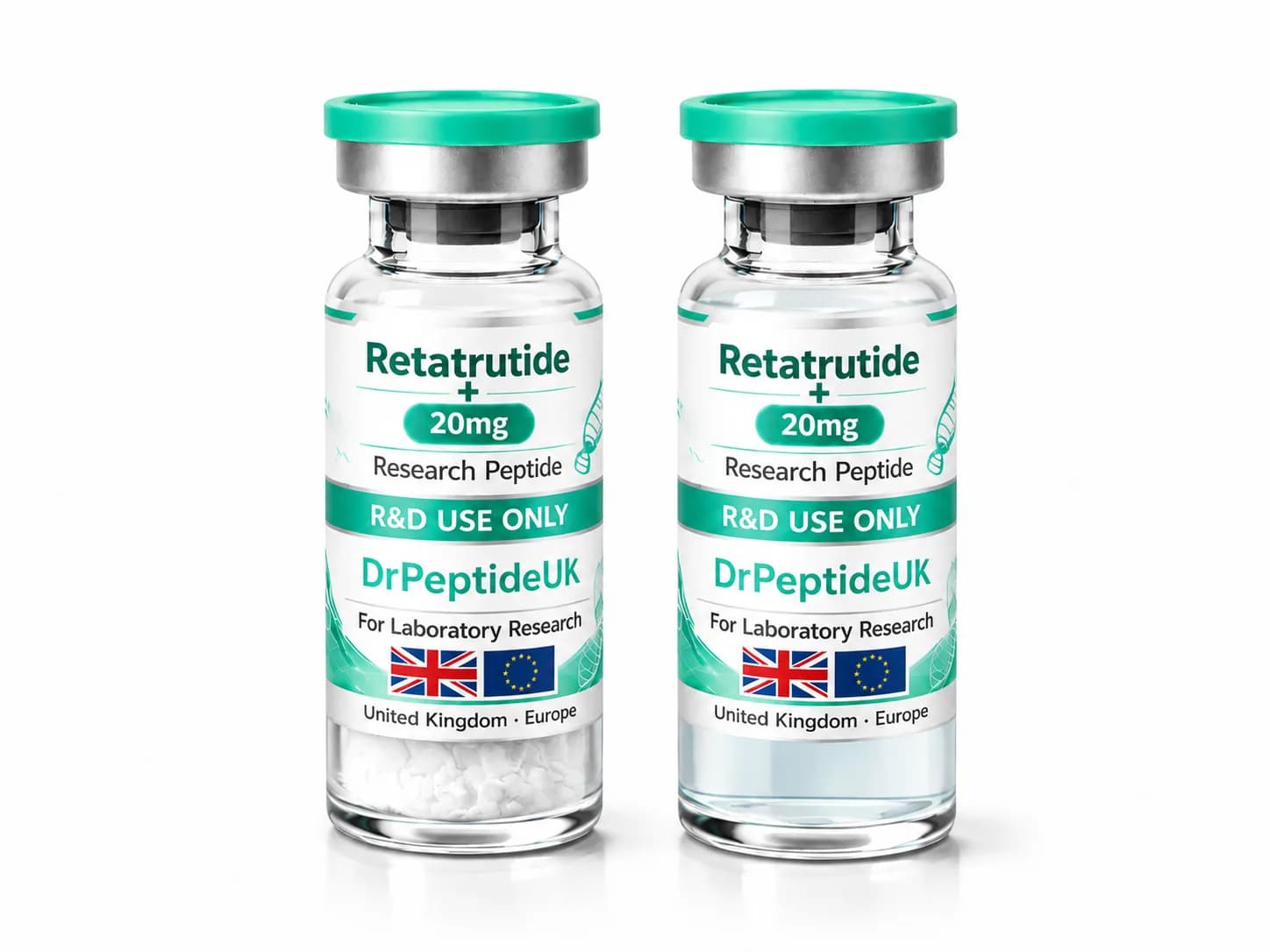
A certificate of analysis (CoA) is the laboratory report that shows what is in a batch of a research peptide. Knowing how to read one is the quickest way to judge a supplier. This guide walks through each section of a typical peptide CoA and the red flags worth watching for.
Compound identity
Identity testing, usually by mass spectrometry, confirms that the molecule in the sample has the expected molecular mass. It answers the most basic question: is this the compound on the label?
Purity by HPLC
High-performance liquid chromatography (HPLC) separates a sample into its components and reports the main peak as a percentage of the total. Research-grade peptides are generally expected to test at 98% or above, and the certificate should show the measured figure rather than a rounded claim with no data behind it.
Quantity
Some certificates also report the measured amount of peptide, so you can check that a 40mg product really contains about 40mg.
Batch number, date and laboratory
A certificate only applies to the batch it tested. Check that the batch number on the CoA matches the number on your product, that the test date is recent, and that the testing laboratory is named.
Independent verification
Many independent testing laboratories issue a verification key with each report, which you can enter on the lab's website to confirm the certificate is genuine and unaltered. For example, our Alluvi Retatrutide 40mg page carries an independently tested certificate for batch AR1739JAT, reporting 99.269% purity.
Red flags
- No batch number, or one that does not match your product.
- No named laboratory or test date.
- The same certificate reused across different compounds or strengths.
- A purity figure with no supporting data.
Certificates at Dr Peptide
We publish certificates as they become available and supply them on request; see our certificates of analysis page. To compare formats, read peptide pens vs vials, or browse the full catalogue. All products are supplied strictly for laboratory research use.
Like this? Tell Google you want more of it.